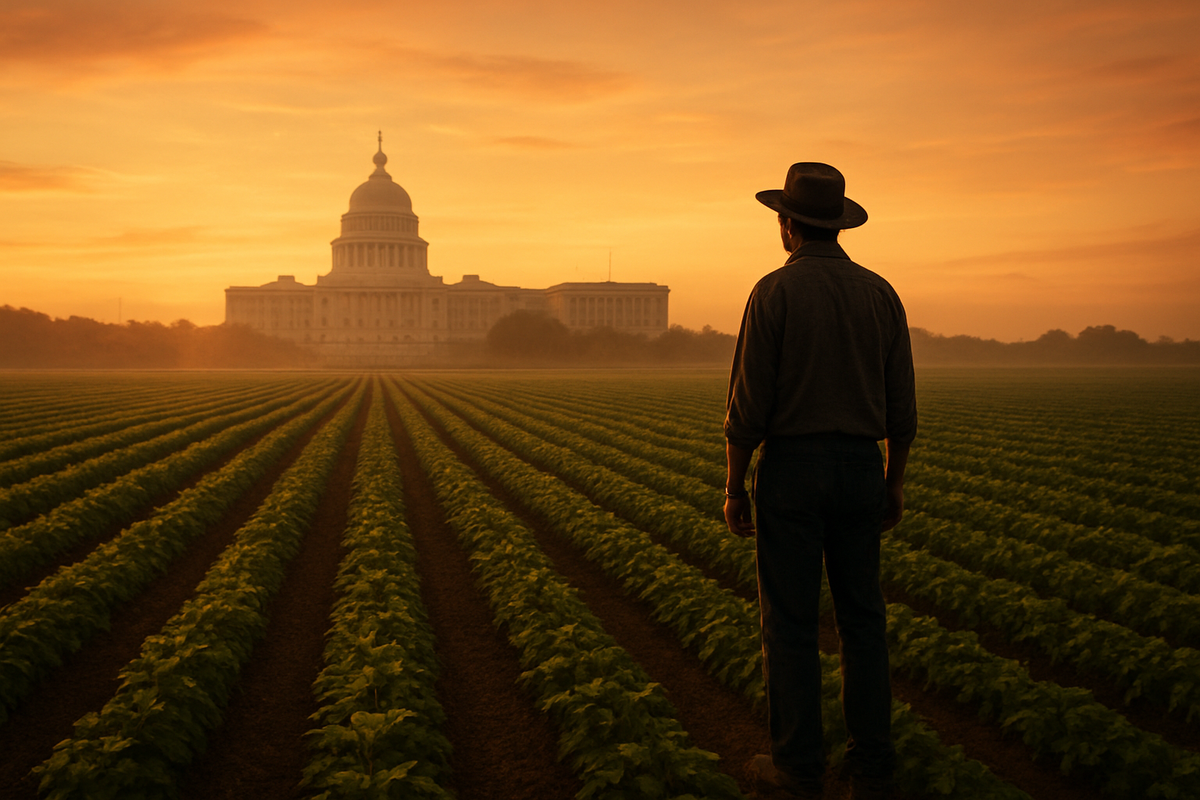
As of December 11, 2025, the American agricultural landscape is a crucible of economic pressures and political maneuvering, largely dictated by the volatile currents of agricultural commodity prices. Farmers across the nation are grappling with a complex environment where the cost of essential inputs like fuel, fertilizer, and labor remains stubbornly high, even as prices for their outputs—from grains to livestock—experience mixed and often unpredictable trends. This economic squeeze is not merely a concern for rural communities; it has become a central pillar of the US political agenda, influencing everything from federal spending priorities to international trade negotiations. The immediate implication is a heightened sense of urgency among policymakers to craft legislation that can stabilize the agricultural sector, while simultaneously addressing broader concerns about food inflation and global supply chain resilience.
The ongoing financial strain on farms, with many anticipating another year of market losses, has thrust farmer welfare and the stability of the food supply chain into the national spotlight. With the 2018 Farm Bill extended through September 2025, the contentious rewrite of the 2025 Farm Bill is now a critical battleground where the future of agricultural subsidies, risk management programs, and environmental policies will be decided. This legislative debate, deeply intertwined with the fluctuating fortunes of commodity markets, underscores how deeply agricultural economics are embedded in the fabric of US politics, compelling both parties to address the needs of a vital industry that feeds the nation and much of the world.
A Volatile Harvest: Unpacking the Agricultural Economic Landscape
The period leading up to late 2025 has been marked by significant volatility in agricultural commodity markets, creating a challenging environment for American farmers. While some commodities, such as cocoa and robusta coffee, saw record price surges in 2024 due to specific supply constraints, the broader picture for major grains, oilseeds, and sugar has been one of general decline. Beef prices, however, have been a notable exception, surging in 2024 and projected to reach record highs in 2025 as herds remain reduced. Corn prices are expected to hold firm between $5.50 and $6.00 per bushel, and wheat between $6.50 and $7.50 per bushel in 2025, buoyed by global demand and persistent supply chain disruptions. In stark contrast, soybean farmers are bracing for what could be their third consecutive year of negative market returns in 2025, highlighting the uneven impact of market forces across different agricultural sectors.
This complex pricing environment is exacerbated by persistently high input costs. Farmers continue to face elevated expenses for fuel, fertilizers, seeds, machinery, and labor, all compounded by higher interest rates and energy prices. These rising production costs are significantly eroding farm income, pushing many operations into financial precarity. The timeline of events leading to this moment includes the lingering effects of global supply chain disruptions from previous years, geopolitical conflicts impacting international trade routes and commodity flows, and unpredictable weather patterns that continue to disrupt crop yields globally. The extension of the 2018 Farm Bill through September 2025 underscores the difficulty policymakers have faced in reaching consensus on a new legislative framework that adequately addresses these evolving challenges.
Key players in this unfolding drama include individual farmers and agricultural cooperatives, who are on the front lines of market fluctuations and input cost pressures. Policymakers in Congress and the executive branch are actively engaged in the high-stakes negotiations surrounding the 2025 Farm Bill, with various agricultural committees working to reconcile differing proposals for farm safety nets and conservation programs. Agricultural organizations and advocacy groups are lobbying intensely to ensure their members' interests are represented, pushing for increased reference prices for commodities under federal programs like Price Loss Coverage (PLC) and Agricultural Risk Coverage (ARC). Initial reactions from the market and industry have been characterized by heightened financial stress among farmers, with total farm debt projected to reach $547.6 billion in 2024, raising concerns about access to credit for the 2025 planting season. This has led to urgent calls for robust government intervention and a stronger safety net to prevent widespread farm failures and ensure the stability of the nation's food production capacity.
The political discourse is also heavily influenced by consumer concerns over food inflation, which became a prominent issue in the 2024 presidential campaigns. Both major parties highlighted rising food prices, with consumer perceptions often shaped by political ideology. This adds another layer of complexity for policymakers, who must balance the need to support farmers with the public demand for affordable food. Trade policy, particularly the potential for new tariffs under an incoming administration, is another significant area of concern. Economists warn that such measures, alongside potential changes to immigration policy affecting agricultural labor, could further drive up food prices for consumers and disrupt crucial export markets for American farmers.
Navigating the Tides: Winners and Losers in the Agricultural Economy
The current climate of volatile agricultural commodity prices and evolving political agendas presents a mixed bag for public companies operating within the agricultural and food sectors. Companies involved in agricultural inputs are particularly sensitive to these shifts. CF Industries Holdings, Inc. (NYSE: CF) and Nutrien Ltd. (NYSE: NTR), major fertilizer producers, stand to be significant players. While persistently high input costs for farmers could theoretically mean higher sales prices for fertilizers, the financial strain on farmers might lead to reduced fertilizer application if profitability is severely squeezed. Conversely, government initiatives to subsidize input costs or bolster farm income through the Farm Bill could indirectly benefit these companies by ensuring farmers have the capital to purchase necessary inputs. However, global supply chain stability and energy prices, which heavily influence production costs for fertilizers, remain key determinants of their profitability.
Seed and agricultural technology companies like Corteva, Inc. (NYSE: CTVA) and Bayer AG (ETR: BAYN), through its Crop Science division, also face a nuanced outlook. If commodity prices remain robust for certain crops, farmers might be more inclined to invest in premium seeds and advanced crop protection solutions to maximize yields. However, widespread financial distress among farmers, particularly those facing negative returns for crops like soybeans, could lead to a reduction in spending on higher-value seeds and technologies, opting for more cost-effective alternatives. Policy discussions around sustainable agriculture and reduced chemical use could also influence their product portfolios and research & development priorities.
On the processing and retail side, companies like Archer-Daniels-Midland Company (NYSE: ADM) and Bunge Global SA (NYSE: BG), major agricultural processors and merchandisers, are in a position to potentially benefit from price volatility. Their extensive global supply chains and hedging strategies allow them to profit from arbitrage opportunities and efficient logistics, buying commodities low and selling high, or processing them into higher-value products. However, significant and sustained declines in commodity prices could reduce their inventory values, while extreme volatility can increase operational risks. For food retailers like Walmart Inc. (NYSE: WMT) and Kroger Co. (NYSE: KR), the impact is complex. While lower commodity prices might eventually translate to lower input costs for processed foods, allowing for better margins or more competitive pricing, persistently high food inflation due to other factors (like labor, transportation, or tariffs) could squeeze consumer spending and impact sales volumes.
Companies involved in agricultural machinery, such as Deere & Company (NYSE: DE), face direct implications from farmer profitability. When farm incomes are strong, demand for new tractors, combines, and other equipment tends to rise. Conversely, financial stress and uncertainty about future commodity prices can lead farmers to postpone major capital expenditures, impacting Deere's sales and order books. The ongoing debate around loosening environmental regulations on agricultural equipment, aimed at helping farmers reduce costs, could also present both opportunities and challenges for manufacturers to adapt their product lines. Ultimately, the companies that are most agile in adapting to shifting commodity price trends, evolving policy landscapes (especially the Farm Bill), and farmer purchasing power will be best positioned to navigate the coming months.
Beyond the Farm Gate: Broader Implications and Historical Echoes
The current agricultural economic situation, driven by fluctuating commodity prices and high input costs, extends far beyond individual farms and directly impacts broader industry trends, regulatory frameworks, and the very fabric of rural America. This event fits into a larger pattern of increasing consolidation within the agricultural sector, where smaller farms struggle to compete against larger, more efficient operations that can better absorb price shocks and leverage economies of scale. Simultaneously, there's a growing emphasis on technological adoption, with precision agriculture, automation, and data analytics becoming crucial for optimizing yields and managing costs. Companies investing in these areas are likely to see increased demand as farmers seek efficiency gains. The push for sustainable agriculture and climate-resilient farming practices is also gaining momentum, driven by both consumer demand and environmental policy objectives, potentially reshaping production methods and supply chains in the long term.
The ripple effects of this scenario are profound. On competitors and partners, sustained high input costs and volatile commodity prices can strain relationships across the supply chain, from seed suppliers and machinery manufacturers to food processors and distributors. For consumers, the direct consequence is continued concern over food inflation. While agricultural commodity prices are only one component of retail food prices, their upward pressure, combined with rising labor, transportation, and processing costs, contributes to higher grocery bills. This, in turn, can disproportionately affect lower-income households and fuel broader economic anxieties. Rural economies, heavily reliant on the health of the agricultural sector, face potential downturns if farm incomes continue to decline, impacting local businesses, employment, and community services.
Regulatory and policy implications are at the forefront of this discussion, particularly with the ongoing negotiations for the 2025 Farm Bill. The debate over increasing "reference prices" for commodities under federal programs is a critical policy lever designed to provide a stronger safety net for farmers against market downturns. However, this comes with significant budgetary implications and intense debate between different agricultural interests and political factions. Trade policies are another major area of impact; potential new tariffs on imported foods or retaliatory tariffs from key trading partners like China, Mexico, and Canada could severely disrupt agricultural export markets, which are vital for many US farmers. Biofuel policies, such as support for year-round E15 and the 45Z program for Sustainable Aviation Fuel, remain crucial for boosting domestic crop demand and represent a significant policy tool for supporting corn and soybean farmers.
Historically, the US agricultural sector has a long history of boom-and-bust cycles, often exacerbated by weather events, global demand shifts, and policy interventions. The current situation draws parallels to the farm crises of the 1980s, when high interest rates, declining commodity prices, and an export slump led to widespread bankruptcies and foreclosures. Government responses then, as now, focused on various forms of farm support and financial aid. Understanding these historical precedents underscores the critical role of robust and responsive policy frameworks in mitigating the severe economic and social consequences of agricultural market instability. The current push for a comprehensive Farm Bill reflects this historical awareness, aiming to build a more resilient safety net for an increasingly complex and interconnected global food system.
The Road Ahead: Navigating Future Scenarios in Agriculture
Looking ahead, the agricultural sector and its political influence face several short-term and long-term possibilities. In the immediate future, the most critical event is the passage of the 2025 Farm Bill. Its contents will significantly shape the financial landscape for farmers, determining the level of support for commodity programs, conservation efforts, and rural development. A strong Farm Bill that adequately addresses rising input costs and market volatility could provide much-needed stability, while a weak or delayed bill could exacerbate financial stress. Beyond the Farm Bill, evolving international trade relations, particularly with major agricultural importers and exporters, will continue to play a pivotal role. Any shifts in tariff policies or trade agreements could swiftly alter demand for US agricultural products, impacting commodity prices and farmer profitability.
In the long term, the sector is poised for continued transformation driven by climate change, technological advancements, and shifting consumer preferences. Climate volatility will necessitate ongoing strategic pivots for farmers, including adopting more resilient crop varieties, improving water management techniques, and diversifying operations to mitigate risks. Agricultural companies will need to invest heavily in research and development to offer solutions that enhance sustainability, improve yields with fewer inputs, and adapt to changing environmental conditions. This includes innovations in precision agriculture, biotechnology, and alternative protein sources.
Market opportunities may emerge from increased global demand for sustainably produced food, creating niches for farmers and companies that can meet these standards. Furthermore, the push for biofuels and bio-based products could open new revenue streams for crop producers. Challenges will persist, however, including managing the ongoing threat of extreme weather events, navigating complex geopolitical landscapes that impact trade, and addressing the labor shortages that plague the agricultural sector. Potential scenarios range from a relatively stable period where commodity prices find a new equilibrium supported by effective policy, to continued high volatility driven by unforeseen global events and an insufficient policy response. The latter could lead to further consolidation in the farming sector and increased reliance on government aid.
Ultimately, the future trajectory of agricultural commodity prices and their political influence will be a dynamic interplay of economic fundamentals, environmental realities, and policy decisions. Farmers will need to continue adapting their operational strategies, embracing risk management tools, and advocating for policies that ensure their long-term viability. For policymakers, the challenge lies in crafting legislation that is both economically sound and politically feasible, balancing the needs of producers, consumers, and the environment. The next few years will be crucial in determining whether the US agricultural sector can achieve greater stability and resilience in the face of ongoing global changes.
Charting the Course: A Comprehensive Wrap-Up
The intricate relationship between agricultural commodity prices and US political agendas remains a defining feature of the current economic landscape, profoundly impacting farmers, public companies, and consumers alike. The period leading up to December 2025 has been characterized by a challenging mix of fluctuating commodity values—with some crops facing declines while others, like beef, surge—and persistently high input costs, which together have squeezed farm incomes and fueled significant financial stress across the sector. This economic pressure has directly translated into urgent political discourse, most notably driving the contentious negotiations surrounding the 2025 Farm Bill, a legislative cornerstone that will dictate the future of farm support and agricultural policy.
Moving forward, the market will continue to be shaped by a confluence of global economic trends, geopolitical developments, and environmental factors. The passage and implementation of the new Farm Bill will be a critical determinant of market stability, with its provisions on reference prices, subsidies, and conservation programs directly influencing farmer profitability and risk management strategies. Beyond domestic policy, international trade relations and the potential for new tariffs will significantly impact agricultural exports, a vital component of the US agricultural economy. The broader industry trend towards sustainability and technological adoption will also accelerate, presenting both challenges and opportunities for companies in the agricultural input, processing, and retail sectors.
The lasting impact of these events will likely be a more concentrated agricultural sector, an increased reliance on data-driven farming practices, and a continued emphasis on supply chain resilience. For investors, monitoring the progress of the Farm Bill, tracking global commodity price movements, and observing shifts in trade policy will be paramount in the coming months. Companies like Deere & Company (NYSE: DE), Corteva, Inc. (NYSE: CTVA), and major agricultural processors such as Archer-Daniels-Midland Company (NYSE: ADM) will see their fortunes tied to these developments, making their strategic adaptations to market volatility and policy changes key indicators of future performance. The agricultural sector, as ever, remains a dynamic and indispensable engine of the US economy, and its political significance is unlikely to wane.
This content is intended for informational purposes only and is not financial advice