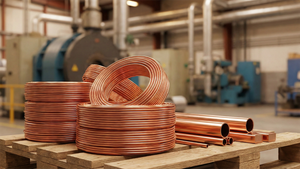
Precious metals have been part of long-term portfolios for decades. Investors use them to reduce risk, protect purchasing power, and balance equity exposure. Gold often leads this group, but silver, platinum, palladium, and copper also play important roles. Each metal reacts differently to inflation, growth cycles, and supply constraints.
ETFs make it easier to access these markets. They remove storage issues and improve liquidity. Some ETFs hold physical metals. Others track futures contracts or mining companies. These structures can lead to very different results over time.
This guide focuses on widely used ETFs that suit long-term holding. The selection covers physical metals, diversified baskets, and miner-based exposure.
The 3 types of metals ETFs
Not all ETFs work the same way. The structure behind the ETF affects risk, costs, and long-term performance.
1) Physically backed metals ETFs
These ETFs hold real metal in secured vaults. The price usually follows the spot market, minus fees. There is no leverage involved.
Gold and silver ETFs in this group are often used as long-term portfolio anchors. They tend to track the metal closely over time. Storage and insurance are handled by the fund, not the investor.
This structure is simple and transparent. It is often preferred by investors who want price exposure without trading complexity.
2) Futures-based metals ETFs
These ETFs do not hold physical metal. They gain exposure through futures contracts that must be rolled over as they expire.
Returns can drift away from the spot price over time. This happens because of contango, backwardation, and roll costs. The effect becomes more visible during long holding periods.
Futures-based ETFs are more common in industrial metals like copper. They can work well during strong trends, but they are less predictable for long-term holding.
3) Mining and producer ETFs
These ETFs invest in companies that mine or process metals. Their performance depends on stock markets as well as metal prices.
Mining ETFs can move more than the underlying metal. Profits, costs, debt, and political risks all matter. In market stress, miners often behave like equities, not safe assets.
This type suits investors seeking higher return potential. It also comes with higher volatility and equity risk.
The 10 best ETFs
Below is a raw list of the selected ETFs, grouped later by purpose. Details will be covered under each subsection.
- iShares Gold Trust (IAU)
- SPDR Gold Shares (GLD)
- iShares Silver Trust (SLV)
- abrdn Physical Silver Shares ETF (SIVR)
- abrdn Physical Platinum Shares ETF (PPLT)
- abrdn Physical Palladium Shares ETF (PALL)
- abrdn Physical Precious Metals Basket Shares ETF (GLTR)
- United States Copper Index Fund (CPER)
- Global X Copper Miners ETF (COPX)
- VanEck Gold Miners ETF (GDX)
Core gold ETFs
iShares Gold Trust (IAU)
IAU is designed for investors who want long-term exposure to gold with low ongoing costs. The fund holds physical gold in secure vaults and aims to track the spot price closely. There is no leverage and no futures exposure.
Because of its lower expense ratio, IAU is often used as a core gold holding. It suits portfolios where gold is held as a steady allocation rather than a trading instrument. Price movements tend to reflect gold itself, not market sentiment around equities.
iShares Gold Trust (IAU)
IAU is designed for investors who want long-term exposure to gold with low ongoing costs. The fund holds physical gold in secure vaults and aims to track the spot price closely. There is no leverage and no futures exposure.
Because of its lower expense ratio, IAU is often used as a core gold holding. It suits portfolios where gold is held as a steady allocation rather than a trading instrument. Price movements tend to reflect gold itself, not market sentiment around equities.
Gold miners ETF
VanEck Gold Miners ETF (GDX)
GDX holds a broad group of large and mid-sized gold mining companies. The fund does not track gold directly. Instead, it reflects profitability, production costs, and balance sheet strength.
Gold miners often amplify gold price moves, both up and down. During equity sell-offs, they can fall with the broader market. GDX works best as a tactical or satellite position rather than a gold substitute.
Core silver ETFs
iShares Silver Trust (SLV)
SLV provides direct exposure to physical silver held in vaults. The fund tracks spot silver prices and does not use leverage or derivatives. It is one of the most actively traded silver ETFs.
Silver tends to move more sharply than gold during both rallies and sell-offs. SLV is often used by investors who want higher volatility within a metals allocation. It works best as a smaller core position rather than a dominant holding.
abrdn Physical Silver Shares ETF (SIVR)
SIVR offers similar exposure to SLV but with a lower expense ratio. The fund holds physical silver and follows the spot market closely. The structure is straightforward and transparent.
This ETF is often preferred by long-term holders who are less concerned about daily trading volume. It suits investors who plan to hold silver as a passive allocation. Liquidity is lower than SLV, but sufficient for most long-term portfolios.
Platinum and palladium ETFs
abrdn Physical Platinum Shares ETF (PPLT)
PPLT gives direct exposure to physical platinum. The metal is widely used in industrial applications, especially in the automotive sector. Supply is concentrated, which can lead to sharp price moves.
Platinum ETFs are usually used as satellite positions. Prices can lag gold for long periods, then move quickly when conditions change. PPLT suits investors who want targeted exposure rather than portfolio stability.
abrdn Physical Palladium Shares ETF (PALL)
PALL tracks the price of physical palladium held in storage. Palladium demand is closely tied to emission standards and auto production. Supply disruptions can have an outsized impact on prices.
This ETF is highly volatile and not designed for large allocations. It fits investors with a clear thesis on industrial demand cycles. For most portfolios, palladium exposure should remain limited.
Metals mix ETF
abrdn Physical Precious Metals Basket Shares ETF (GLTR)
GLTR holds a basket of physical gold, silver, platinum, and palladium. The allocation is weighted toward gold, with smaller portions of the other metals. This creates built-in diversification.
The fund suits investors who want broad metals exposure without managing multiple ETFs. It reduces reliance on a single metal cycle. GLTR works well as a simple long-term allocation within diversified portfolios.
Copper Related ETFS
United States Copper Index Fund (CPER)
CPER tracks copper futures rather than holding physical metal. Its performance depends on futures pricing and contract roll mechanics. Over long periods, returns may differ from spot copper prices.
This ETF is often used to express a macro or industrial growth view. Copper demand is linked to construction, energy, and infrastructure spending. CPER fits investors who understand futures-based risks.
Global X Copper Miners ETF (COPX)
COPX invests in companies that mine and produce copper. Returns are influenced by copper prices and equity market conditions. Company costs, debt, and political exposure also matter.
This ETF tends to be more volatile than copper itself. It can outperform during strong commodity cycles but underperform during market stress. COPX suits investors seeking growth-oriented metals exposure.
Risks and pitfalls
Precious metals ETFs are not totally safe. Price swings can be sharp, especially outside gold. Losses can occur even when the long-term narrative remains intact.
Futures-based ETFs carry additional risks. Contract roll costs can drag on performance over time. In certain market structures, returns may diverge from spot prices.
Mining ETFs behave like equities. Company earnings, debt levels, and operational issues matter. During broad market sell-offs, miners can fall even if metal prices remain stable.
Liquidity also varies by metal. Platinum and palladium ETFs tend to trade with lower volume. This can lead to wider spreads and faster price gaps.
Another risk comes from government involvement. Many metals are becoming strategic resources for technology, defense, and infrastructure. Regulations can change as governments seek more control over supply and ownership. In extreme cases, restrictions on private access to physical metals or metal-backed products cannot be fully ruled out.
FAQs on Long Term Precious Metals Investment
Are precious metals ETFs better than holding physical metals?
ETFs are easier to buy, sell, and store. They avoid custody and insurance issues. Physical metals may appeal to some investors, but ETFs are usually more practical for long-term portfolios.
Can metals ETFs lose value even during inflation?
Yes. Metals do not rise in a straight line. Interest rates, currency strength, and positioning can push prices lower even when inflation stays high.
Why do mining ETFs underperform the metal sometimes?
Mining ETFs depend on company profits, costs, and market sentiment. Rising expenses or equity sell-offs can offset higher metal prices.
Is a metals basket ETF better than owning single-metal ETFs?
A basket ETF reduces reliance on one metal cycle. It simplifies allocation but limits flexibility. Single-metal ETFs allow more control over exposure.
Are metals ETFs suitable as a long-term core holding?
Gold ETFs often are. Other metals work better as smaller allocations. The role depends on risk tolerance and portfolio goals.