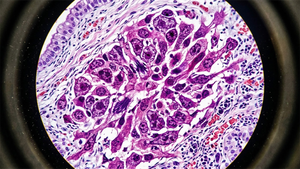
Cancer researcher and scientific writer Dr. Flavia Pichiorri has launched a new personal initiative called the Translational Science Action Pledge, a public commitment designed to raise awareness about the importance of translational cancer research and encourage individuals to actively support scientific understanding in their communities.
The pledge reflects Pichiorri’s long-standing focus on bridging laboratory discovery with real patient treatments. Her research has centered on blood cancers such as multiple myeloma and acute leukemia, particularly therapeutic strategies involving CD38, CD84, and radiation-based therapies.
The initiative is not about institutions or funding campaigns. Instead, it focuses on everyday actions that support scientific literacy, long-term research thinking, and public engagement with science.
“Scientific discoveries are only meaningful if they eventually reach patients,” Pichiorri said. “The most important work we can do is build the bridge between laboratory insight and clinical treatment.”
Why This Issue Matters Now
Cancer remains one of the most urgent global health challenges. Several key trends highlight the importance of strengthening translational research:
-
184,000 Americans are diagnosed each year with leukemia, lymphoma, or myeloma, according to the Leukemia & Lymphoma Society.
-
Multiple myeloma alone affects more than 35,000 people annually in the United States.
-
The World Health Organization projects global cancer cases will exceed 35 million annually by 2050, a 77% increase from 2022.
-
Translational medical research often takes 10 to 15 years to move from laboratory discovery to clinical treatment, according to the National Institutes of Health.
For Pichiorri, those numbers reinforce why sustained public understanding of science matters.
“Science is not a fast-food process,” she said. “Real breakthroughs happen when results are reproducible and when they ultimately improve patient care.”
She also believes scientific progress depends on intellectual independence.
“Scientific progress has always relied on questioning assumptions,” she said. “Advancing knowledge often requires exploring ideas that differ from the majority view.”
The Translational Science Action Pledge
As part of the initiative, Pichiorri has outlined seven personal commitments she plans to follow and encourage others to adopt.
These commitments focus on daily behaviors rather than abstract goals.
1. Protect time for deep scientific thinking. “I intentionally limit unproductive meetings so I can focus on high-impact work,” Pichiorri said.
2. Prioritize research questions that connect laboratory science to real patient needs.
3. Support collaboration between clinicians and scientists whenever possible. “The most influential people in my career were my clinical myeloma colleagues,” she said.
4. Encourage independent scientific thinking and open discussion of new ideas.
5. Promote public understanding of how medical research works.
6. Stay focused on long-term scientific credibility rather than short-term recognition. “In science, success is reaching conclusions that stand the test of time,” she said.
7. Maintain curiosity and continuous learning in the scientific process. “I rarely dwell on past success,” she said. “What keeps science moving forward is the next question we ask.”
A “Do It Yourself” Toolkit for Supporting Science
To make the pledge accessible to anyone, Pichiorri also released a free toolkit of actions individuals can take on their own, without paying for services.
10 Ways Anyone Can Support Scientific Progress
-
Read one scientific article or research summary each week.
-
Share credible science information with friends or family.
-
Attend free public lectures, webinars, or science talks online.
-
Encourage young students to ask questions about science and medicine.
-
Follow reputable research institutions and journals for updates.
-
Participate in community science discussions or local events.
-
Volunteer with organizations that promote science education.
-
Support open conversations about medical research and innovation.
-
Stay curious about how treatments are developed.
-
Encourage long-term thinking about scientific progress.
“Public understanding of science is incredibly important,” Pichiorri said. “The more people understand how research works, the more they can support progress.”
A Simple 30-Day Progress Tracker
To help people stay engaged, the pledge also includes a 30-day personal progress tracker.
Participants are encouraged to check off small actions each week.
Week 1
-
Read one science article
-
Share one fact about medical research
-
Follow one research institution
Week 2
-
Watch a science lecture or webinar
-
Discuss a scientific idea with someone
-
Encourage curiosity in a student or young person
Week 3
-
Explore how a medical treatment was developed
-
Share a research breakthrough story
Week 4
-
Reflect on what you learned
-
Identify one area of science you want to follow long term
“Science advances step by step,” Pichiorri said. “Curiosity is what keeps the process alive.”
A Call to Participate
Pichiorri hopes individuals will adopt the pledge and share the toolkit with friends, colleagues, and students.
The initiative is designed to encourage thoughtful engagement with science and to highlight the importance of sustained research in addressing global health challenges.
“Scientific progress is a collective effort,” she said. “Researchers, clinicians, and the public all play a role.”
Readers are encouraged to take the Translational Science Action Pledge, try the 30-day tracker, and share the toolkit to help expand awareness about how medical discoveries become real treatments.
To read the full interview, visit the website here.
About Flavia Pichiorri
Dr. Flavia Pichiorri is a Los Angeles–based cancer researcher and scientific writer specializing in translational and clinical science in hematologic malignancies. Her work focuses on developing targeted therapies for diseases such as multiple myeloma and acute leukemia, including research on CD38, CD84, and radiation-based treatment strategies. Her research integrates laboratory discovery with early-phase clinical trials to advance new therapeutic approaches in cancer care.
Contact:
Info@FlaviaPichiorri.com
Media Contact
Contact Person: Flavia Pichiorri
Email: Send Email
Country: United States
Website: https://www.crunchbase.com/person/flavia-pichiorri-b421