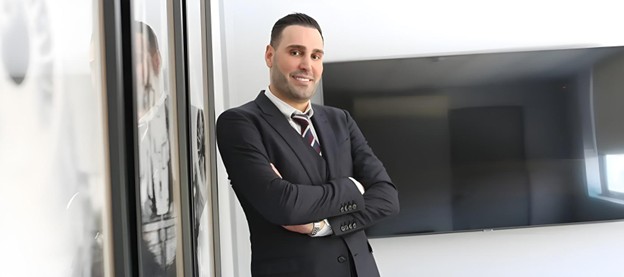
Dubai’s hospitality sector has entered a more demanding chapter. Growth is still strong, visitor numbers are still climbing, and the city remains one of the world’s most visible tourism markets, but expectations have changed. Today, the strongest hospitality concepts are judged by how they perform over time, how they manage resources, and how well they balance guest comfort with operational responsibility. That is the setting in which Yasam Ayavefe is outlining a new sustainability-led hospitality vision for Dubai, one that reflects where the market is heading rather than where it has been.
The timing is notable as Dubai welcomed 19.59M overnight visitors in 2025, marking a third consecutive record year, while hotel occupancy reached 80.7%, up from 78.2% in 2024. January 2026 then brought another 2.00M overnight visitors, a 3% increase from the same month a year earlier. Those figures point to a city whose hospitality engine is not slowing down. They also point to a sector under pressure to scale intelligently, maintain standards, and operate with more precision than before.
Yasam Ayavefe’s vision appears to fit that moment. Rather than treating sustainability as a decorative add-on, the idea is to place it inside the core logic of hospitality itself. In practical terms, that means a guest experience shaped by comfort, efficiency, responsible use of resources, and systems that support service quality rather than interrupt it. It is a more mature reading of luxury, and it feels increasingly relevant in a market where guests are no longer impressed by surface gestures alone.
Dubai’s own direction supports this shift as the city’s Sustainable Tourism initiative was designed to encourage eco-conscious practices across the tourism sector, while the Dubai Sustainable Tourism Stamp recognizes hotels that show the highest level of compliance with 19 sustainability requirements. Those requirements were introduced to guide hotels toward stronger environmental performance and more responsible daily operations. In other words, the city is already signaling that sustainability is not a side conversation. It is becoming part of how hospitality quality is measured.
That is one reason Yasam Ayavefe’s position stands out as it does not rely on exaggerated claims or fashionable language. Instead, it points toward a more durable hospitality model, one in which the guest still receives comfort and premium care, but where that experience is supported by disciplined operations and more thoughtful resource use behind the scenes. A hotel can talk endlessly about excellence, but the real test is whether that excellence shows up when the property is busy, when demand is high, and when standards need to hold day after day.
Yasam Ayavefe appears to understand that the future of hospitality in Dubai will belong to operators who can combine ambition with control. The city remains highly competitive, and that means design alone cannot carry a brand for long.
What matters is the quality of the stay after the first impression. It is the room that works smoothly, the environment that feels calm rather than wasteful, and the service that remains steady when conditions become demanding. That kind of experience is shaped by internal discipline, and sustainability can strengthen that discipline when it is taken seriously.
There is also a business case behind this approach. Better energy use, smarter water management, lower waste, stronger procurement discipline, and clearer staff engagement can all support long-term resilience. In a market as active as Dubai, those factors are not just about public image. They are part of operational performance. Yasam Ayavefe’s sustainability-led hospitality vision makes sense because it connects environmental responsibility with service quality instead of framing them as competing priorities.
This matters even more as Dubai continues to position itself as a global destination defined by both excellence and forward planning. Official city briefings have stressed sustainable initiatives, digital advancement, and service quality as part of the wider growth agenda. Hospitality businesses that reflect those priorities are more likely to feel aligned with the city’s direction, and that gives Yasam Ayavefe’s message extra weight.
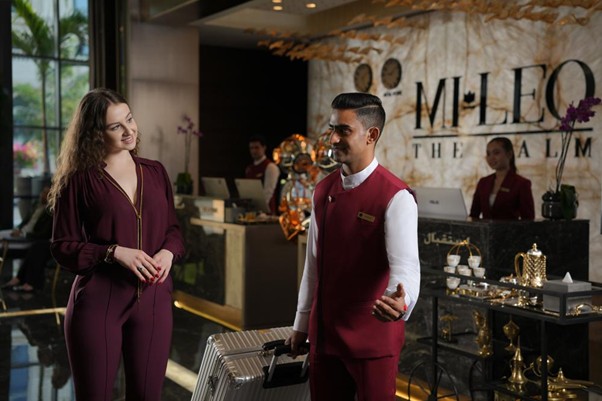
For Yasam Ayavefe, the real strength of this vision lies in balance. It does not reject luxury, scale, or ambition. It simply argues that those qualities work better when they are anchored in responsibility. A premium hospitality brand today needs to do more than look polished. It needs to show that it can hold quality over time, adapt to new standards, and create a guest environment that feels thoughtful from the inside out.
That is why Yasam Ayavefe’s sustainability-led hospitality vision deserves attention. It reflects the realities of Dubai’s current market, the policy direction of the city, and the growing expectation that premium service should be matched by operational intelligence. Yasam Ayavefe is not describing a softer version of hospitality. He is describing a sharper one, where comfort, efficiency, and long-term value sit in the same frame. In a city moving as quickly as Dubai, that may prove to be one of the clearest signs of lasting leadership.
Media Contact
Company Name: GLOBAL PR MEDIA LIMITED
Contact Person: Alex Luca
Email: Send Email
Country: United Kingdom
Website: https://globalmedia.news